
In-Depth Research & Strategic Analysis

Our White Papers
Explore iMARCK’s collection of expert white papers offering data-driven insights on sustainable development, global investment trends, and emerging market opportunities. Each paper delivers deep analysis to support investors, governments, and industry leaders in building resilient, responsible growth strategies worldwide.

Maintaining, Renewing, and Transferring Mining Concessions in Peru
Mining concessions in Peru are legally protected rights that grant holders exclusive authority to explore and extract mineral resources within a defined area. These concessions remain valid indefinitely as long as holders comply with key obligations, including annual maintenance payments, minimum production requirements, and environmental regulations. For investors, understanding concession validity, transfer procedures, and compliance risks is critical. Failure to meet legal requirements can result in forfeiture, while inadequate due diligence may expose investors to hidden liabilities, encumbrances, or regulatory issues tied to the asset.

Infrastructure Transformation in Emerging Markets: The Strategic Role of Public-Private Partnerships
Emerging markets face a growing need for modern infrastructure driven by rapid urbanization, population growth, and economic expansion. Public-private partnerships provide a powerful framework for aligning government priorities with private sector capital, expertise, and operational efficiency. By structuring bankable projects and managing risk effectively, PPPs enable the development of critical infrastructure across energy, transportation, water, and digital systems. When implemented correctly, these partnerships support long-term economic growth, attract global investment, and strengthen institutional capacity across developing regions.

Profit-Sharing Agreements with Local Communities in Peruvian Mining Projects
Mining projects in Peru often operate near indigenous and rural communities whose land, livelihoods, and long-term economic interests may be affected by mineral development. While Peruvian law does not always require traditional corporate profit-sharing, mining companies commonly structure community participation through royalties, development funds, land-use payments, employment commitments, infrastructure investments, or equity-based arrangements. When properly designed, these agreements help reduce social conflict, strengthen a project’s social license to operate, and improve long-term operational stability for both owners and investors.
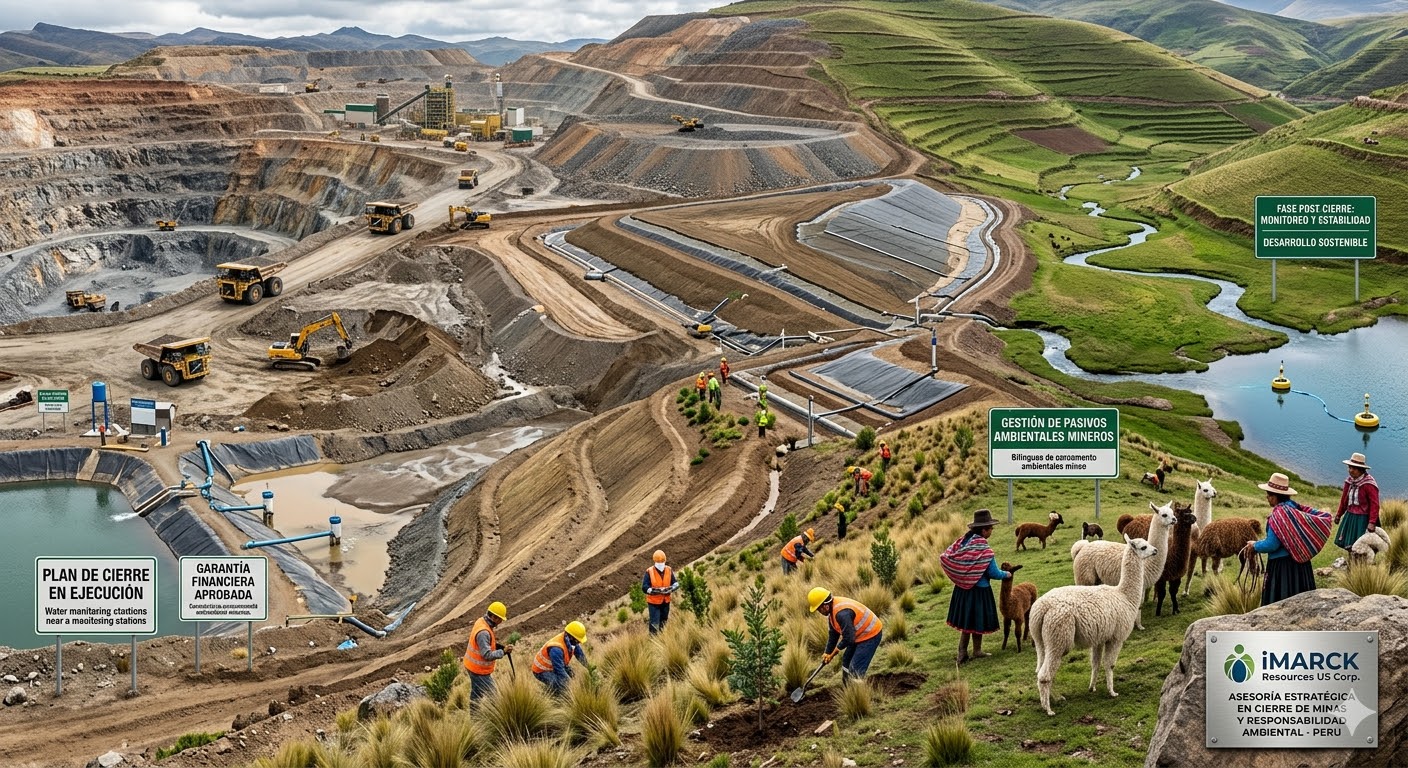
Environmental Liabilities and Closure Obligations for Mining Operators in Peru
Peru has one of Latin America’s strongest environmental and mine closure regulations. Mining companies are responsible for environmental management through every project stage—from exploration to post‑closure—and must submit closure plans, provide financial guarantees, and handle waste under strict standards. These rules ensure operators, not the public, bear environmental risks. Noncompliance can lead to heavy fines or operational suspensions. For investors, evaluating closure liabilities and remediation guarantees is a key part of assessing mining project value and risk.